Ask ten travellers when to visit Sri Lanka and you will get ten answers, because the island runs on two separate weather systems. The south-west gets one monsoon; the north-east gets another; and between them they ensure that somewhere on the coast is always at its best. Understand the pattern and you can travel happily in any month of the year.
This is the plain-English version — what each monsoon does, what the thermometer really says, and how festivals and wildlife fit the calendar — with no more precision than an honest weather conversation allows.
Two monsoons, not one
The Yala (south-west) monsoon blows roughly May to September, drenching Colombo, the west-coast beaches, Galle and the western slopes of the hill country. Showers tend to arrive most afternoons rather than all day, but the sea on that side turns rough and grey, and beach life migrates elsewhere.
The Maha (north-east) monsoon runs roughly October to January and settles over the north and east — Trincomalee, Pasikuda, Batticaloa, Jaffna. Between the two sit the inter-monsoon weeks of October and November, when squalls can wander anywhere and the island is at its quietest and greenest. None of these edges are sharp: monsoons shift a few weeks either side each year, so treat every month as a strong tendency, not a booking guarantee.
The two-climate trick
Because the monsoons take turns, the simple rule is this: the east coast is at its best from around April to September, and the south and west coasts are at their best from around December to March. Two climates, one island — which is why a well-timed trip can feel like two destinations in a single week.
April is the great crossover month: hot and broadly dry on both coasts, with the east waking up just as the south-west prepares for its rains. October and November are the mirror image — shoulder season everywhere, with lower rates, quieter sites and the acceptance that a shower may find you wherever you are.
What the thermometer says, region by region
At sea level, expect daytime temperatures of roughly 27 to 30°C all year, with nights barely dipping below the mid-twenties; humidity is high and the equatorial sun is fierce even under cloud. The hill country is a different wardrobe: days sit around 15 to 22°C depending on altitude, and Nuwara Eliya, at roughly 1,900 metres, can drop towards 5 to 10°C at night between December and February — jumpers, socks and blankets are genuinely useful.
- Coastal lowlands: roughly 27–30°C by day, year-round; pack for heat and sun.
- Kandy and the mid-level hills: roughly 20–25°C by day, cooler evenings.
- Nuwara Eliya and the high estates: roughly 15–20°C by day, with cold nights December–February.
Festivals and wildlife calendars
Sri Lanka's calendar is studded with lunar festivals, and one is worth building a trip around: the Kandy Esala Perahera, usually in July or August, fills ten nights with drummers, dancers and adorned elephants. Dates follow the moon, so confirm them early and book rooms far ahead. In April, the Sinhala and Tamil New Year brings the whole island home to its families — transport fills and small shops close for a day or two, but the mood is wonderful.
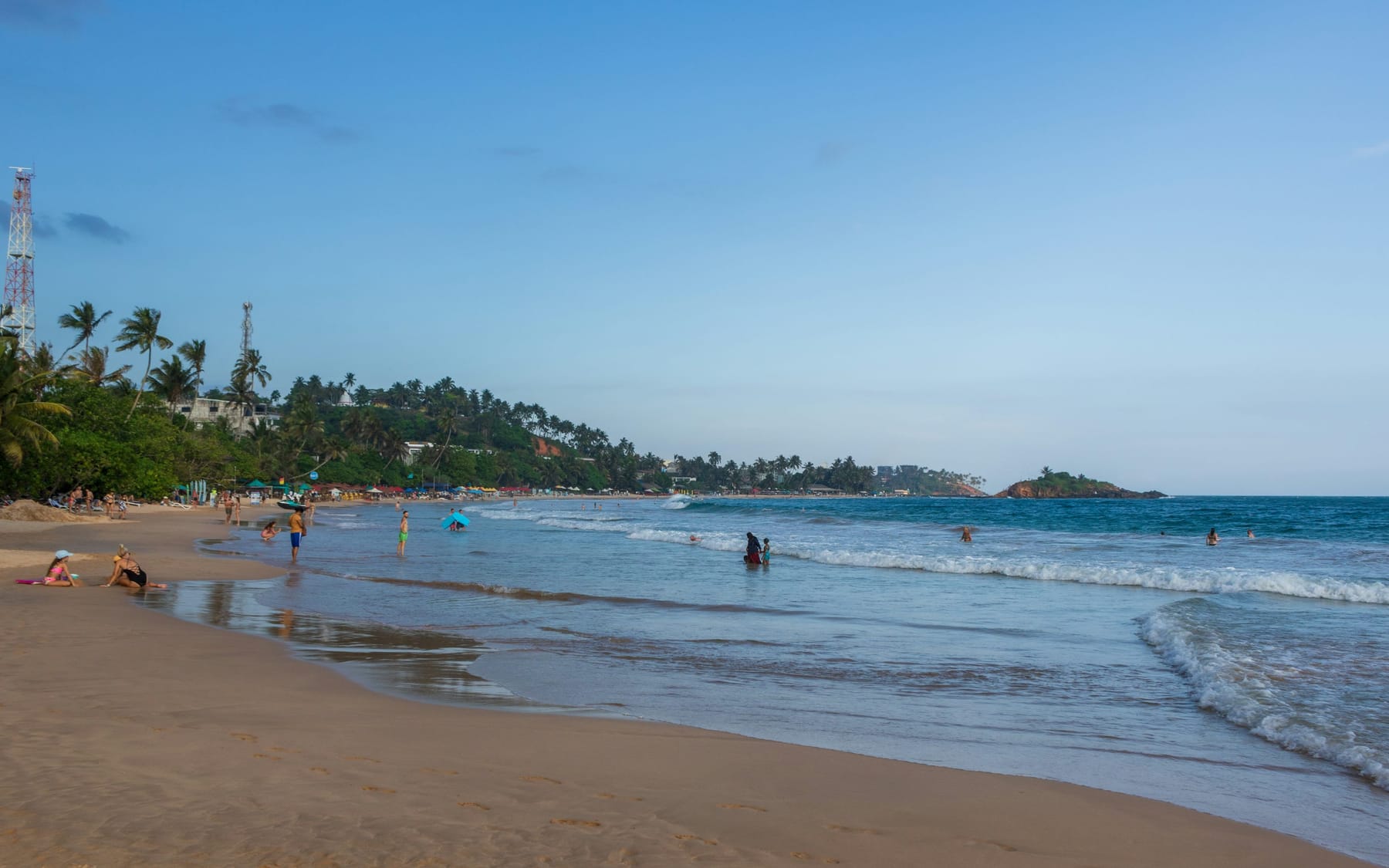
Wildlife keeps its own seasons. Blue and sperm whales gather off Mirissa roughly November to April, which is also when the south-coast seas are calmest. Around Minneriya and Kaudulla, the famous elephant gathering — herds massing around the shrinking tanks — builds through the dry months of roughly July to September. Leopards at Yala are seen year-round, though the dry season concentrates them at water.
A month-by-month compass
Put it all together and the calendar reads like this:
- December–March: the classic season — south and west at their best, whales off Mirissa, busiest (and priciest) over Christmas and New Year.
- April: hot and broadly dry; the east coast opens; New Year festivities mid-month.
- May–September: the south-west monsoon season — head east to Trincomalee, Pasikuda and Arugam Bay, with the hills green and lovely in between.
- October–November: inter-monsoon; anywhere can catch a shower, rates soften and sites empty out.
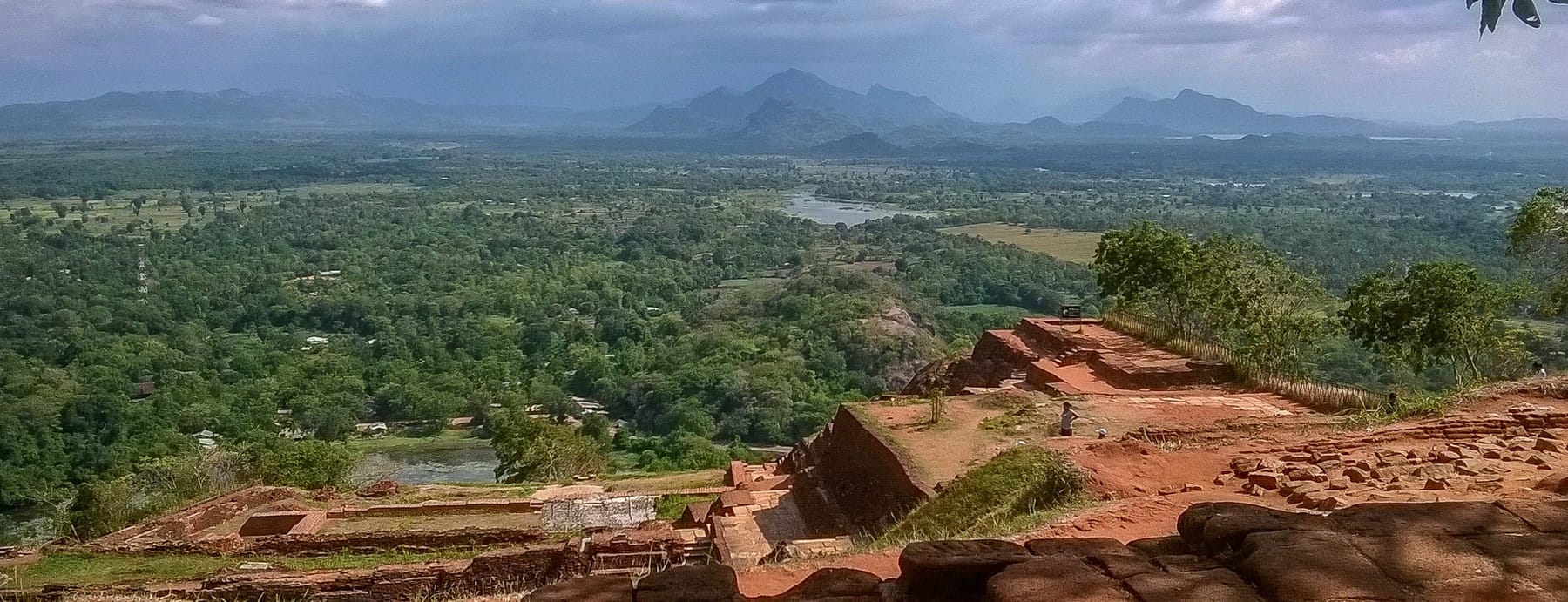
- Any month: the Cultural Triangle sits in the dry zone and works year-round, just very hot at midday from April to September — climb Sigiriya early.
In summary
In short, Sri Lanka is a year-round destination if you pick your coast by the calendar. Tell us when you can travel and what you dream of — whales, temples, tea or surf — and we will suggest the route that puts you on the sunny side of the island.
Want this planned for you?
Our specialists turn guides like this into private, chauffeur-driven journeys — tailored to your dates and pace.
Plan Your Journey