Sri Lanka is a road-trip country — not because the roads are easy, but because they are interesting. Within a few hours you can climb from coconut lowland to tea-estate cloud, and the drive itself, done well, becomes half the memory. Here is what the roads are really like, whether to drive them yourself, and the stretches worth planning a trip around.
The honest reality of the roads
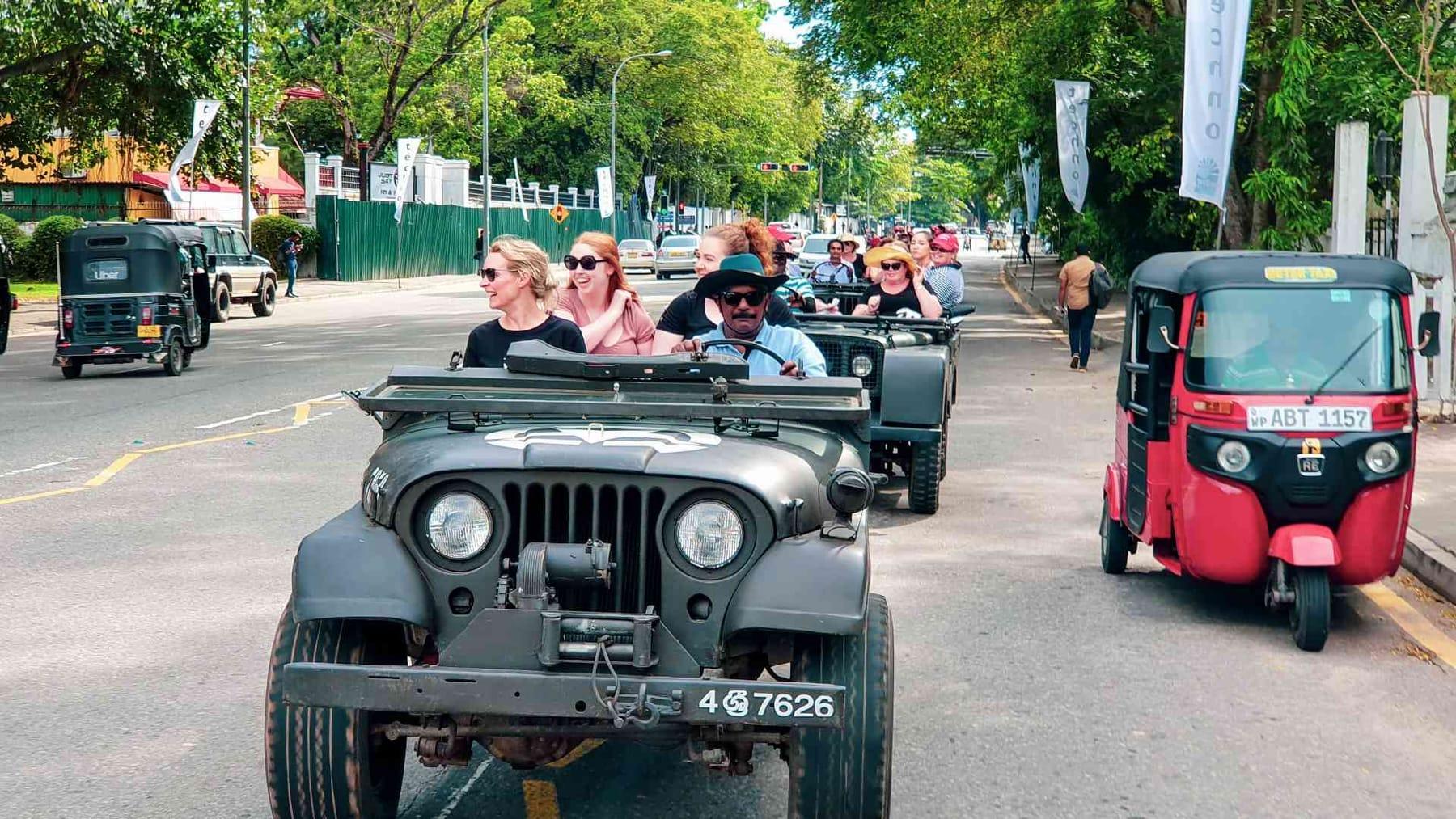
Away from the expressways, Sri Lankan roads are narrow, shared and beautifully human. Tuk-tuks weave like water; intercity buses drive as though the crown of the road is theirs; cyclists, schoolchildren in white, dogs and the occasional ambling cow all claim their lane. Villages announce themselves with unmarked speed bumps, sometimes three in a row. Average touring speeds sit around 30 to 40 km/h — which, embraced rather than fought, is precisely the pace the scenery deserves.
There is a local language to it all. A flicked left indicator from the car ahead often means 'safe to overtake' rather than 'turning left'; headlights flashed mean 'I am coming through, make room'. Your driver reads all of this without thinking. The expressways — south to Galle and Matara, plus the opening stages of the central route — are a different world: divided, tolled and calm.
Self-drive or driver?
You would drive on the left, with an International Driving Permit plus a little local paperwork to have it recognised. Plenty of confident travellers do it and love it — the freedom is real, and the expressway stretches are easy. The honest case for a driver is everything else: the hours of concentration these roads demand, the hairpins and mist of the hill country, parking in temple towns, reading the informal signals, and the simple fact that a driver means you watch the island instead of the bumper ahead of you. Most keen drivers who try both do not go back to self-drive.
A middle path works well too: drive nothing for the first two days while you calibrate, then decide with local advice whether a self-drive day or two suits you.
Five scenic drives worth planning around
Ranked, argued over and driven many times, these are the stretches we build trips around:
Ask us to build a journey around any of these — the best ones reward early starts and unhurried lunch stops.
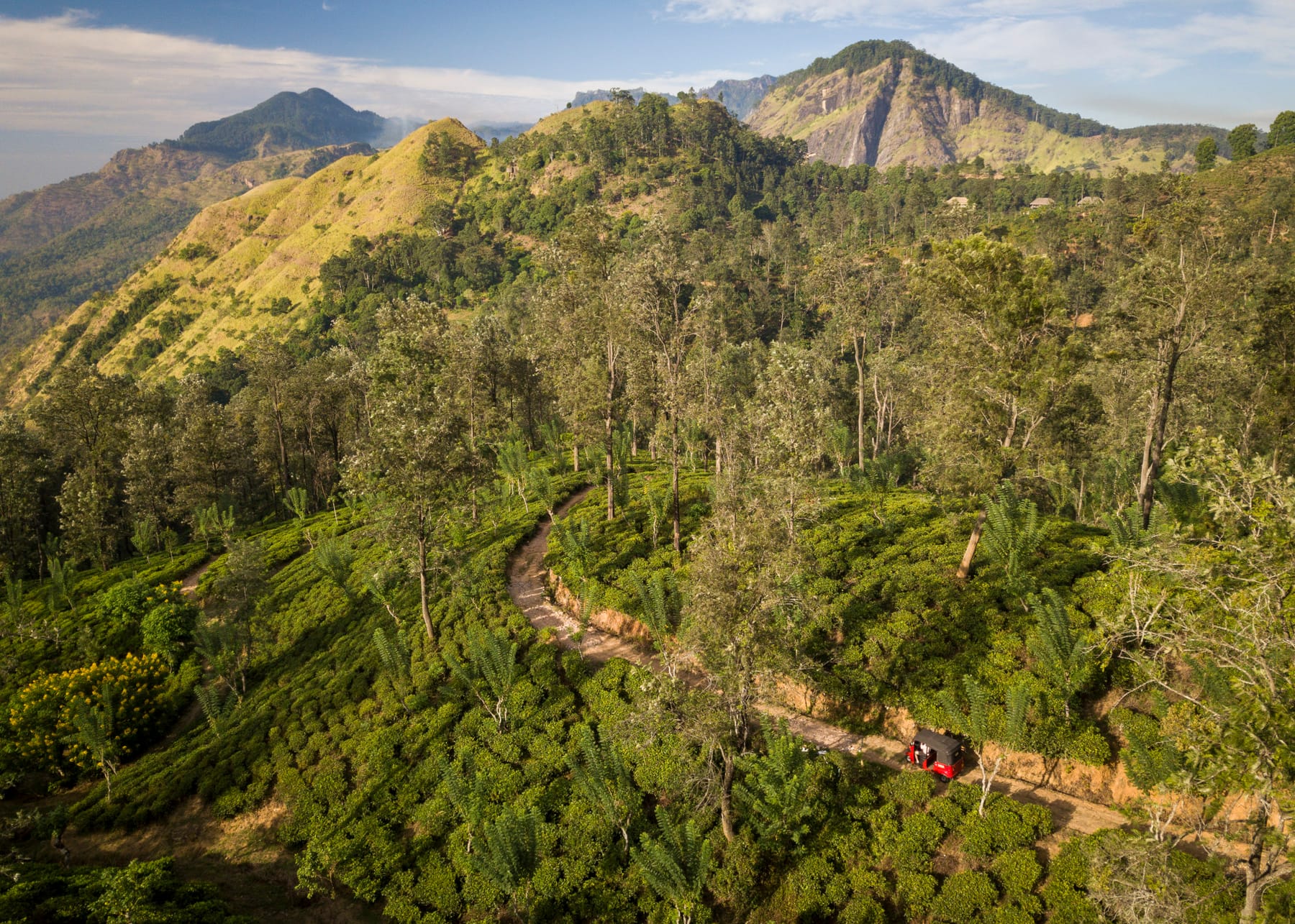
- 1. Kandy–Nuwara Eliya–Ella (the hill climb): tea to every horizon, waterfalls at the roadside and the great bends above Ramboda. Slow, winding, unforgettable — the drive that makes the hill country.
- 2. Ella–Udawalawe: from misty tea to golden savannah in little more than two hours, ending with elephants at dusk. The island's contrasts in a single morning.
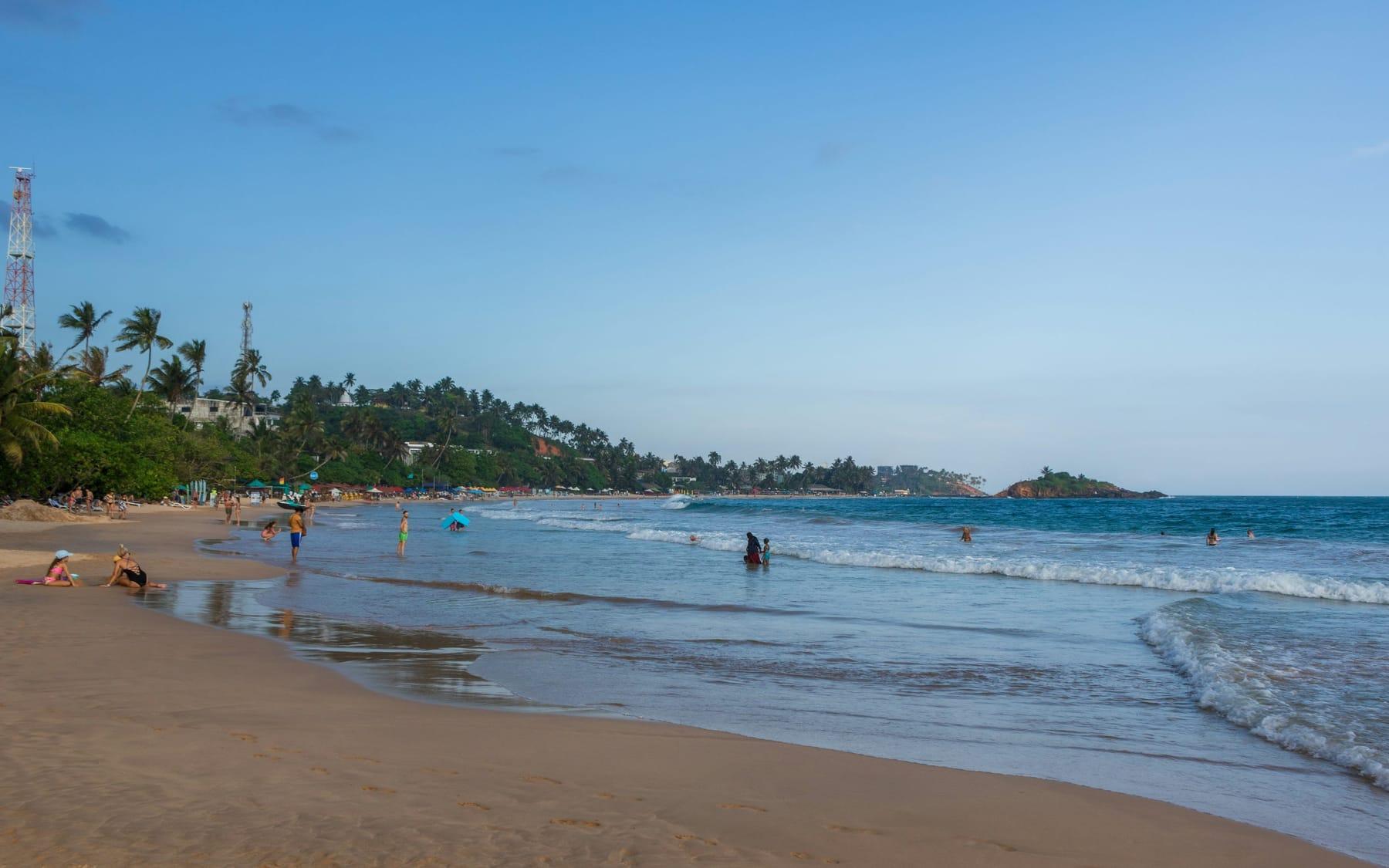
- 3. Colombo–Galle, two ways: the Southern Expressway in a fast two to three hours, or the old A2 coast road through fishermen's towns at half a day — choose your mood.
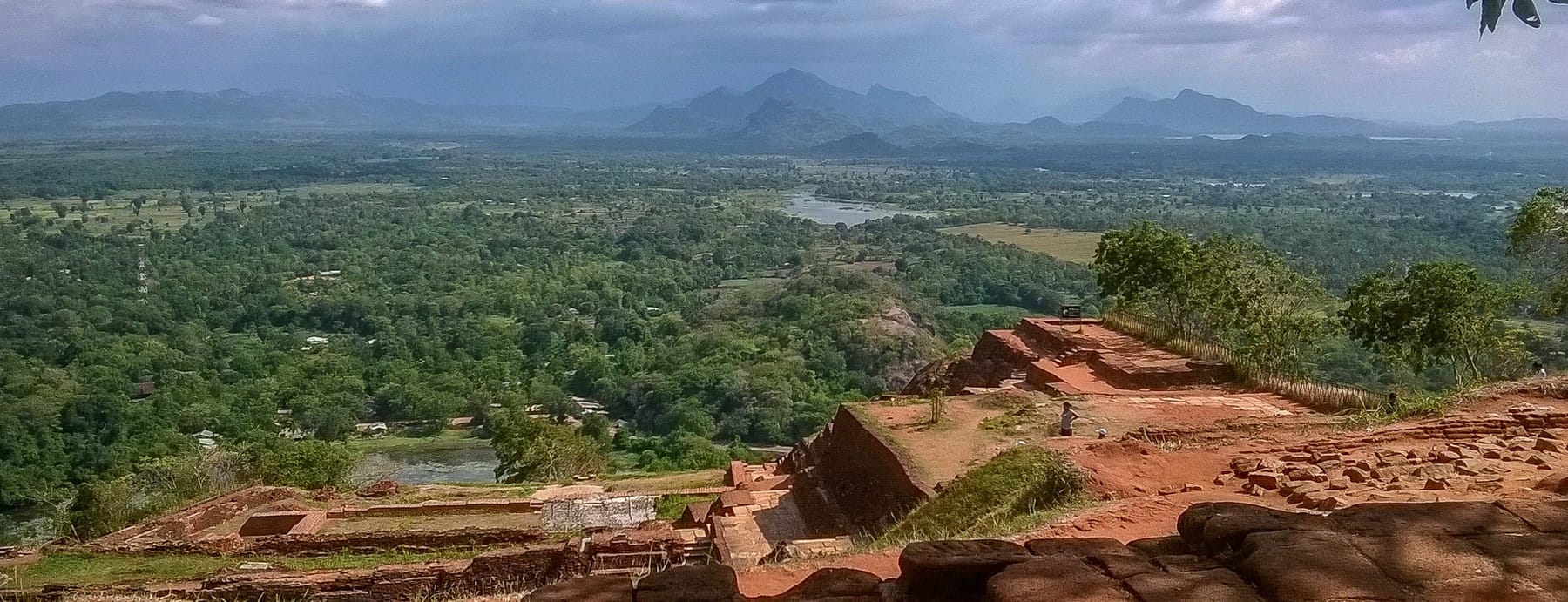
- 4. Habarana–Polonnaruwa backroads: flat, quiet, tank-fringed lanes with birds and village life, delivering you to a thousand-year-old city.
- 5. The Kadugannawa approach to Kandy: a short, dramatic climb through the gap in the hills, with a famous railway look-out on the way — a fine finale to the last royal capital.
Photography stops, done politely
The best photographs here happen at the roadside, and the etiquette is simple. Never stop on blind corners or bridge decks, however golden the light — your driver knows the safe pull-ins and will suggest them before you ask. Ask before photographing people; tea pluckers are working, and a purchase of tea buys more goodwill than a lens. If drones are in your bag, check the current rules before you fly — they have tightened considerably. And when a bus needs the road you are photographing from, give it up graciously; you are a guest in the frame, not the owner of it.
Hairpins, motion sickness and monsoon driving
The hill roads wind in earnest: the climbs past Ramboda and down towards Ella stack hairpin upon hairpin. If anyone in the car suffers motion sickness, book them the front seat, encourage eyes on the horizon rather than a screen, keep breakfast light before the climb, and take the waterfall breaks — ginger sweets and fresh hill air do the rest. Children usually adapt within a day.
In the monsoon seasons, afternoon downpours are the pattern rather than the exception, and a sensible driver starts early to be off the passes before the worst of it. Very wet weeks occasionally close a hill road briefly for clearance; an experienced driver re-routes without drama, which is precisely why local knowledge earns its keep on these roads.
In summary
If any of this sounds like a trip you would rather watch than steer, that is what we do. Tell us which drives tempt you and we will build the journey around them — early starts, safe pull-ins and the best light included.
Want this planned for you?
Our specialists turn guides like this into private, chauffeur-driven journeys — tailored to your dates and pace.
Plan Your Journey